

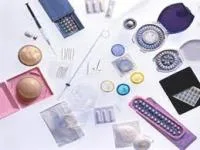
Contraception is the technique used to prevent an unwanted pregnancy.
Family Planning
Family planning is a broader concept that includes contraception and protection against sexually transmitted diseases, as well as proper planning of having children, with an emphasis on education about health and sexual education.
Contraceptive methods
Contraceptive methods are divided into natural and artificial methods, used to avoid an unwanted pregnancy.
The natural methods of contraception are:
• The rhythm method:
Avoiding sexual intercourse on the woman's fertile days.
• Breastfeeding:
In this case nature has provided protection for the breastfeeding mother against an unwanted pregnancy.
It is worth mentioning here that natural methods are unreliable and the rate of pregnancy with them is particularly high.
The artificial methods of contraception are:
• Male condom
• Contraceptive pills
• Intrauterine device (coil)
• Vaginal diaphragm
• Spermicides (vaginal suppositories, creams, foam)
• Emergency contraception (the morning-after pill)
• Subdermal slow-release hormone implants
• Intramuscular hormone injections
• Sterilisation (female and male)
Here we should note that artificial methods are clearly safer and have much higher success rates. The suitability of each method differs from person to person and should be discussed with the gynecologist.
The "coil" and how it works
The intrauterine device, or the well-known "coil", is a device made of flexible material, usually plastic or a combination of plastic and metal, and is 2-4 cm long. It is inserted through the cervix and placed inside the uterus. It can remain there for 3-5 years, depending on the quality of the material and the body's reaction to it. It offers high success rates in contraception.
The coil works in many different ways, always achieving the same result, which is none other than the prevention of pregnancy. The most accepted theory of how the coil works is the mobilisation of white blood cells, which is the normal reaction of the body to the presence of a foreign body inside the uterus. The white blood cells gather around the coil and thus create a hostile environment for the implantation and development of the fertilised egg.
Types of coils
There are many types of intrauterine devices, which differ in shape, size and even in the composition of their material (plastic, metal, a mixture of the two, and some enriched with progesterone).
The type that suits each woman depends on many factors, such as her age, the size of the uterus, the number of births she has had and even the type of delivery (vaginal or caesarean).
Insertion of the coil
Insertion of the coil is recommended during the period. This makes insertion easier and less traumatic, because the cervix is then soft, flexible and slightly dilated. Another reason for this choice is the certainty that pregnancy has not occurred at the time of insertion.
Complications of the coil
Complications may occur either during insertion of the coil or after it has been placed.
The most dangerous complication during insertion of the coil is uterine perforation, that is, injury to the uterine wall, a tear in it, and the device entering the peritoneal cavity. The complications and adverse effects that may occur while the coil remains in place are:
• Increased pain during the period
• Bleeding during the period (menorrhagia)
• Ectopic pregnancy
• Intrauterine inflammation and subsequently pelvic inflammation
• Expulsion of the coil
• Unwanted pregnancy
Emergency contraception (The morning-after pill)
This is a method of preventing an unwanted pregnancy by taking a hormonal preparation immediately after sexual intercourse. It can be taken up to 72 hours after intercourse. It should be noted that this method should not replace permanent contraceptive methods and frequent use may cause hormonal disturbances and cycle irregularities.