

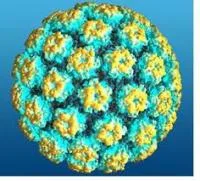
Genital warts are a sexually transmitted disease caused by certain strains of HPV, the "Human Papilloma Virus". In 90% of cases of genital warts, types 9 and 11 are found.
Symptoms of genital warts
In most cases there are no obvious symptoms, so the diagnosis is missed. They may appear as single or multiple small growths that protrude from the skin of the affected area and usually have an uneven surface. In women they appear in the vagina, on the labia minora and in the perianal area, while in men they usually appear on the glans and scrotum, as well as in the perianal area.
How genital warts are transmitted
Genital warts are transmitted mainly through sexual contact. In addition to the vagina and cervix, they also appear in the perigenital area (hair and skin around the genitals), and for this reason condom use does not protect 100% against infection.
Diagnosis of genital warts
Diagnosis is made by gynecological examination, the findings of a Pap test, colposcopy and, definitively, by taking biopsies from the area of the lesion.
Treatment of genital warts
Genital warts are treated either conservatively or by removing the lesions. This is a procedure performed under local anaesthesia, usually in the office. Conservative treatment involves applying a special cream. This cream works against the warts by stimulating the immune system locally, in the area of infection. A course of treatment usually lasts about a month and a half and may need to be repeated in some cases. Surgical treatment involves laser, diathermy or cryotherapy. Anaesthesia is necessary for infections of the vagina, perigenital and perianal areas, but not for warts of the cervix.
The type of treatment is individualised and will be decided by the treating doctor in agreement with the patient, after assessment of the clinical picture and discussion of the advantages and disadvantages of each method.