

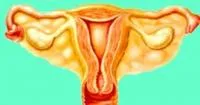
It is a fact that the precise definition of polycystic ovary syndrome is not that simple. However, it can be characterised as a series of complex processes, or a combination of morphological and histological changes in the ovaries, with ultimate endocrine disorders.
The aetiology of the syndrome is also not fully clarified. The theories that have been developed are varied and concern the whole endocrine system. Finally, it could be considered a familial condition, given that it usually occurs in female members of the same family.
Symptoms of Polycystic Ovary Syndrome
The symptoms associated with the syndrome are usually typical.
Women with the syndrome usually present with obesity, abnormal and irregular periods and, finally, hirsutism.
Diagnosis of Polycystic Ovary Syndrome
The diagnosis of the syndrome is based on history, clinical examination, measurement of certain hormones in the blood and ultrasound examination.
From the history we usually find late menarche, menstrual disorders, acne and increased hair growth. Hormonal testing usually shows mainly an increase in androgens. Ultrasound shows the typical appearance of multiple small cysts in the ovaries. These small cystic structures are essentially unruptured follicles rather than true cysts.
Treatment of Polycystic Ovary Syndrome
The therapeutic approach to the syndrome has as its ultimate aim protection from the continuous action of oestrogens and, consequently, from the increased relative risk of endometrial and breast cancer in the future. In women who do not wish to become pregnant, the recommended treatment is contraceptives, and when hirsutism coexists, antiandrogens are also given. In women who wish to become pregnant, the drug of choice is clomiphene, which improves follicle growth and consequently ovulation. Surgical treatment of the syndrome is also an acceptable option and is usually performed laparoscopically. In modern treatment, metformin now also has a role. It is essentially an antidiabetic drug which research has shown, when given to women with polycystic ovaries, improves the ovarian response to insulin, resulting in improved expression of ovarian hormones.